
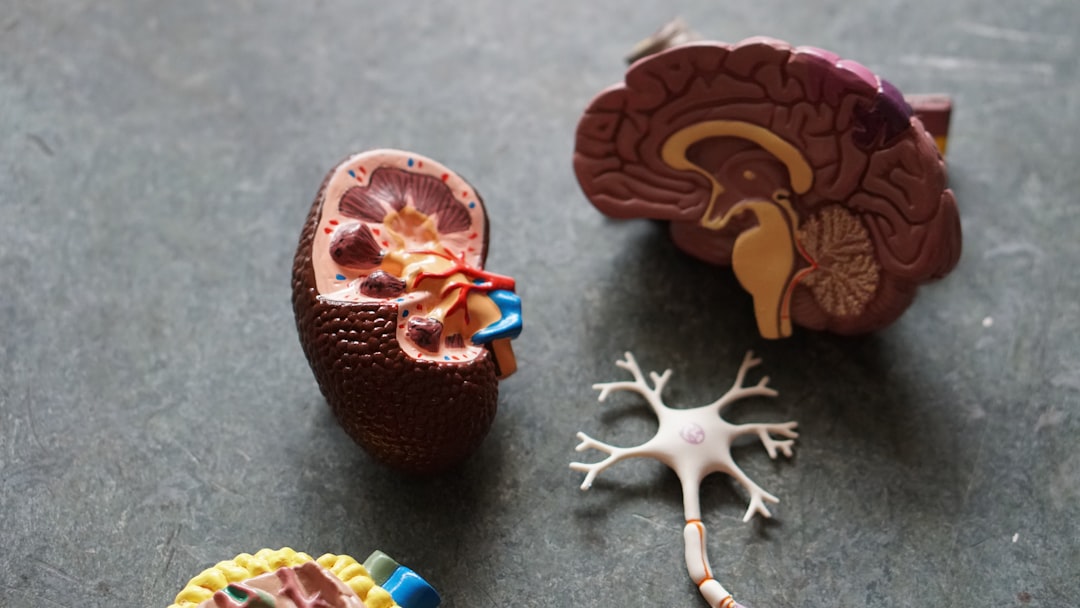
Neuroplasticity refers to the brain’s capacity to reorganize itself by forming new neural connections throughout life. This process enables neurons in the brain to compensate for injury and disease, and to adjust their activities in response to new situations or environmental changes. In addiction recovery, neuroplasticity plays a vital role in rewiring the brain to overcome addiction patterns.
When an individual becomes addicted to a substance, their brain undergoes changes that reinforce addictive behavior. However, through neuroplasticity, the brain can adapt and form new connections that support recovery. In the context of addiction recovery, neuroplasticity involves the brain’s ability to rewire itself by creating new pathways and connections that support healthy behaviors and thought patterns.
This process is crucial for individuals in recovery as it allows them to break free from addiction and develop new, positive habits. Understanding neuroplasticity provides hope that the brain is not permanently damaged by addiction but has the capacity to change and heal. This knowledge can be empowering and motivating for those in recovery, as it offers a scientific basis for the belief that change is possible.
The Role of Dopamine in Rewiring the Addicted Brain
The Cycle of Addiction
Over time, the brain becomes desensitized to the effects of dopamine, leading to a decreased response to natural rewards and an increased craving for the substance of abuse. This cycle contributes to the development and maintenance of addiction.
Rewiring the Addicted Brain
In the context of rewiring the addicted brain, understanding the role of dopamine is crucial. When someone is in recovery, their brain needs to adjust to functioning without the constant influx of dopamine from addictive substances. This can lead to withdrawal symptoms and cravings as the brain seeks to restore its dopamine levels.
Restoring the Natural Reward System
However, through neuroplasticity, the brain can adapt and restore its natural reward system, reducing the cravings for addictive substances. By engaging in activities that naturally boost dopamine levels, such as exercise and socializing, individuals in recovery can support the rewiring of their brains and reduce the risk of relapse.
Techniques for Promoting Neuroplasticity in Recovery
There are several techniques that can promote neuroplasticity in addiction recovery. Cognitive-behavioral therapy (CBT) is one such technique that focuses on identifying and changing negative thought patterns and behaviors associated with addiction. By challenging and replacing these patterns with healthier alternatives, individuals can rewire their brains to support recovery.
Another technique is mindfulness-based stress reduction (MBSR), which involves practicing mindfulness meditation and yoga to increase awareness of thoughts and emotions without judgment. This practice can help individuals develop new neural pathways that support emotional regulation and reduce the risk of relapse. Furthermore, neurofeedback is a technique that uses real-time monitoring of brain activity to teach self-regulation of brain function.
By providing feedback on brainwave patterns, individuals can learn to modify their brain activity and promote healthier functioning. Additionally, engaging in activities that stimulate the brain, such as learning a new skill or hobby, can promote neuroplasticity by creating new neural connections. These techniques, when combined with professional support and a strong social support network, can significantly promote neuroplasticity in addiction recovery.
The Impact of Mindfulness and Meditation on Brain Rewiring
Mindfulness and meditation have been shown to have a profound impact on brain rewiring in addiction recovery. These practices involve focusing on the present moment and cultivating a non-judgmental awareness of thoughts and emotions. By doing so, individuals can develop greater self-awareness and emotional regulation, which are essential for overcoming addictive behaviors.
Research has shown that mindfulness and meditation can lead to changes in brain structure and function, including increased gray matter density in areas associated with self-awareness, compassion, and introspection. Furthermore, mindfulness and meditation have been found to reduce activity in the amygdala, the brain’s fear center, which is often overactive in individuals with addiction. By reducing this hyperactivity, individuals can experience decreased cravings and improved emotional regulation.
Additionally, these practices have been shown to increase activity in the prefrontal cortex, which is responsible for decision-making and impulse control. By strengthening this area of the brain, individuals can better resist cravings and make healthier choices. Overall, mindfulness and meditation have a powerful impact on brain rewiring in addiction recovery and are valuable tools for promoting sustained recovery.
The Importance of Exercise and Nutrition in Supporting Neuroplasticity
Exercise and nutrition play a crucial role in supporting neuroplasticity in addiction recovery. Physical activity has been shown to promote the release of endorphins, which are natural mood lifters, and dopamine, which is associated with pleasure and reward. By engaging in regular exercise, individuals can support the rewiring of their brains by promoting the release of these neurotransmitters.
Additionally, exercise has been found to increase levels of brain-derived neurotrophic factor (BDNF), a protein that supports the growth and maintenance of neurons. By increasing BDNF levels, individuals can promote neuroplasticity and support the healing of their brains. Furthermore, nutrition plays a key role in supporting brain health and neuroplasticity.
A diet rich in essential nutrients such as omega-3 fatty acids, antioxidants, and vitamins supports optimal brain function and can aid in the recovery process. Omega-3 fatty acids, found in fish oil and flaxseed oil, have been shown to support brain health and reduce inflammation, which can be beneficial for individuals in recovery. Antioxidants found in fruits and vegetables can protect the brain from oxidative stress and support overall cognitive function.
By prioritizing exercise and nutrition in addiction recovery, individuals can support neuroplasticity and promote long-term healing.
Overcoming Challenges in Rewiring the Addicted Brain
Rewiring the addicted brain is not without its challenges, as individuals may face withdrawal symptoms, cravings, and emotional difficulties during the recovery process. However, by understanding these challenges and implementing effective strategies, individuals can overcome them and support neuroplasticity. One common challenge is managing cravings for addictive substances, which can be intense and overwhelming.
By utilizing coping skills such as mindfulness meditation, deep breathing exercises, or engaging in enjoyable activities, individuals can reduce the intensity of cravings and support their brain’s rewiring process. Another challenge is managing emotional dysregulation, as individuals may experience heightened emotions or mood swings during recovery. By practicing emotional regulation techniques such as mindfulness meditation or seeking professional support through therapy or counseling, individuals can develop healthier coping mechanisms and support their brain’s rewiring process.
Additionally, building a strong social support network can provide encouragement and accountability during challenging times. By surrounding themselves with supportive friends, family members, or peers in recovery, individuals can navigate these challenges more effectively and promote sustained neuroplasticity.
The Long-Term Effects of Neuroplasticity on Sustained Recovery
The long-term effects of neuroplasticity on sustained recovery are profound, as individuals can experience lasting changes in their brain structure and function that support healthy behaviors and thought patterns. By promoting neuroplasticity through various techniques such as mindfulness meditation, exercise, nutrition, and cognitive-behavioral therapy, individuals can develop new neural connections that support sustained recovery. These changes can lead to reduced cravings for addictive substances, improved emotional regulation, and enhanced decision-making abilities.
Furthermore, sustained neuroplasticity can lead to a greater sense of well-being and overall quality of life for individuals in recovery. By supporting their brain’s rewiring process through ongoing practice of healthy habits and coping skills, individuals can experience increased resilience to stressors and triggers that may have previously led to relapse. Additionally, sustained neuroplasticity can lead to improved relationships with others as individuals develop greater emotional regulation and empathy.
Overall, the long-term effects of neuroplasticity on sustained recovery are transformative, as individuals experience lasting changes that support their journey towards a fulfilling life free from addiction.


