
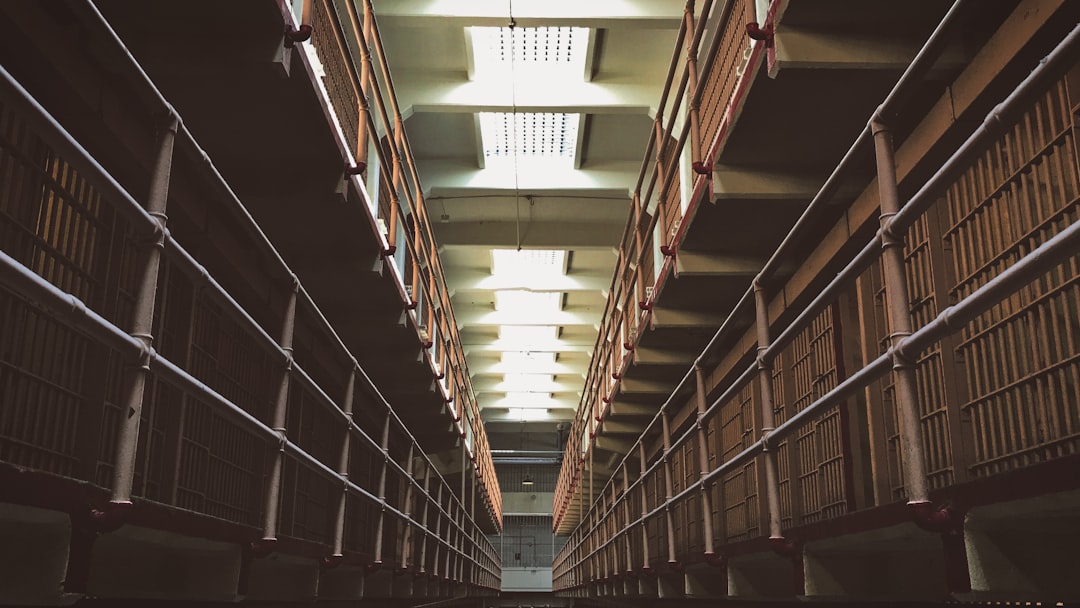
The cycle of incarceration and addiction is a complex and interconnected issue that affects millions of individuals worldwide. Substance abuse and addiction often lead to criminal behavior, resulting in incarceration. Once in prison, individuals with substance use disorders frequently struggle to receive adequate treatment and support, leading to a cycle of relapse and re-incarceration.
This perpetuates the cycle of addiction and incarceration, creating a difficult-to-break pattern. Substance use disorders are prevalent among incarcerated individuals, with many using drugs or alcohol to cope with the stress and trauma of imprisonment. The lack of access to proper treatment and support within the prison system exacerbates the problem, leading to high recidivism rates among those struggling with addiction.
Without appropriate intervention and support, individuals are at high risk of returning to substance abuse upon release, continuing the cycle of addiction and incarceration.
Barriers to Treatment and Recovery in Prison
Limited Access to Evidence-Based Treatment
One major obstacle to overcoming addiction in prison is the lack of access to evidence-based treatment programs. Unfortunately, many prisons do not offer comprehensive addiction treatment programs, leaving individuals without the necessary support to address their substance use disorders.
Stigma and Lack of Continuity of Care
Additionally, there is often a stigma surrounding addiction within the prison environment, which can prevent individuals from seeking help and support for their struggles. Another significant barrier to treatment and recovery in prison is the lack of continuity of care upon release. Many individuals do not receive adequate support and resources to maintain their sobriety once they are released from prison, leading to high rates of relapse and re-incarceration.
Risk of Relapse and Re-Incarceration
Without proper aftercare and support services, individuals are at a high risk of returning to substance abuse, perpetuating the cycle of addiction and incarceration. This highlights the need for effective support systems to be in place to help individuals overcome addiction and achieve long-term recovery.
The Impact of Incarceration on Mental Health and Substance Use
Incarceration can have a profound impact on an individual’s mental health and substance use. The experience of being incarcerated can be traumatic and stressful, leading to high rates of mental health issues such as depression, anxiety, and post-traumatic stress disorder among incarcerated individuals. These mental health issues can often co-occur with substance use disorders, creating a complex and challenging situation for those struggling with addiction.
The lack of access to proper mental health care within the prison system further exacerbates the problem, leading to high rates of self-medication through substance abuse. Many individuals turn to drugs or alcohol as a means of coping with their mental health issues, leading to a cycle of addiction and exacerbating their mental health struggles. Without proper intervention and support, individuals are at a high risk of continuing this cycle upon release from prison.
The Role of Rehabilitation Programs in Prison
Rehabilitation programs play a crucial role in addressing the cycle of addiction and incarceration within the prison system. These programs offer evidence-based treatment and support for individuals struggling with substance use disorders, providing them with the necessary tools to address their addiction and maintain their sobriety. Rehabilitation programs also offer mental health support, helping individuals address the trauma and stress of incarceration while providing them with coping mechanisms to manage their mental health struggles.
Additionally, rehabilitation programs help individuals develop essential life skills and provide them with resources for successful reentry into society. These programs offer education, vocational training, and job placement services, giving individuals the opportunity to build a stable and fulfilling life upon release from prison. By addressing the root causes of addiction and providing individuals with the necessary support and resources, rehabilitation programs play a vital role in breaking the cycle of addiction and incarceration.
Challenges of Reentry and Maintaining Sobriety
Reentry into society presents numerous challenges for formerly incarcerated individuals struggling with addiction. Many face barriers to employment, housing, and social support, making it difficult to maintain their sobriety upon release from prison. Without access to stable housing and employment opportunities, individuals are at a high risk of returning to substance abuse as a means of coping with the challenges of reentry.
Additionally, the stigma surrounding individuals with criminal records can further isolate them from their communities, making it difficult to access the support they need to maintain their sobriety. Without proper aftercare and support services, many individuals struggle to navigate the challenges of reentry, leading to high rates of relapse and re-incarceration. Addressing these challenges is crucial in supporting formerly incarcerated individuals in maintaining their sobriety and breaking the cycle of addiction and incarceration.
Addressing Systemic Issues in the Criminal Justice System
Addressing Disparities in the Criminal Justice System
Addressing systemic issues within the criminal justice system is crucial in breaking the cycle of addiction and incarceration. This involves addressing disparities in sentencing for drug-related offenses, advocating for alternatives to incarceration for non-violent drug offenses, and promoting diversion programs for individuals struggling with addiction. By addressing these systemic issues, we can reduce the number of individuals entering the prison system due to substance use disorders, ultimately breaking the cycle of addiction and incarceration.
Comprehensive Reentry Support Services
Additionally, addressing systemic issues within the criminal justice system involves advocating for comprehensive reentry support services for formerly incarcerated individuals. This includes access to stable housing, employment opportunities, mental health care, and substance abuse treatment programs.
Creating a Supportive Environment for Reentry
By addressing these systemic issues, we can create a more supportive environment for formerly incarcerated individuals as they navigate the challenges of reentry, ultimately reducing rates of relapse and re-incarceration.
Supporting Formerly Incarcerated Individuals in Recovery
Supporting formerly incarcerated individuals in recovery is crucial in breaking the cycle of addiction and incarceration. This includes providing access to comprehensive aftercare services such as counseling, peer support groups, and case management services. By providing ongoing support for individuals as they navigate the challenges of reentry, we can help them maintain their sobriety and build a stable life outside of prison.
Additionally, supporting formerly incarcerated individuals in recovery involves advocating for policies that promote reentry success, such as ban-the-box initiatives that remove barriers to employment for individuals with criminal records. By creating a more supportive environment for formerly incarcerated individuals, we can help them overcome the challenges of reentry and break the cycle of addiction and incarceration. In conclusion, breaking the cycle of addiction and incarceration requires a comprehensive approach that addresses the root causes of substance abuse while providing individuals with the necessary support and resources to maintain their sobriety.
By addressing systemic issues within the criminal justice system and providing ongoing support for formerly incarcerated individuals, we can create a more supportive environment that promotes reentry success and ultimately breaks the cycle of addiction and incarceration.


