
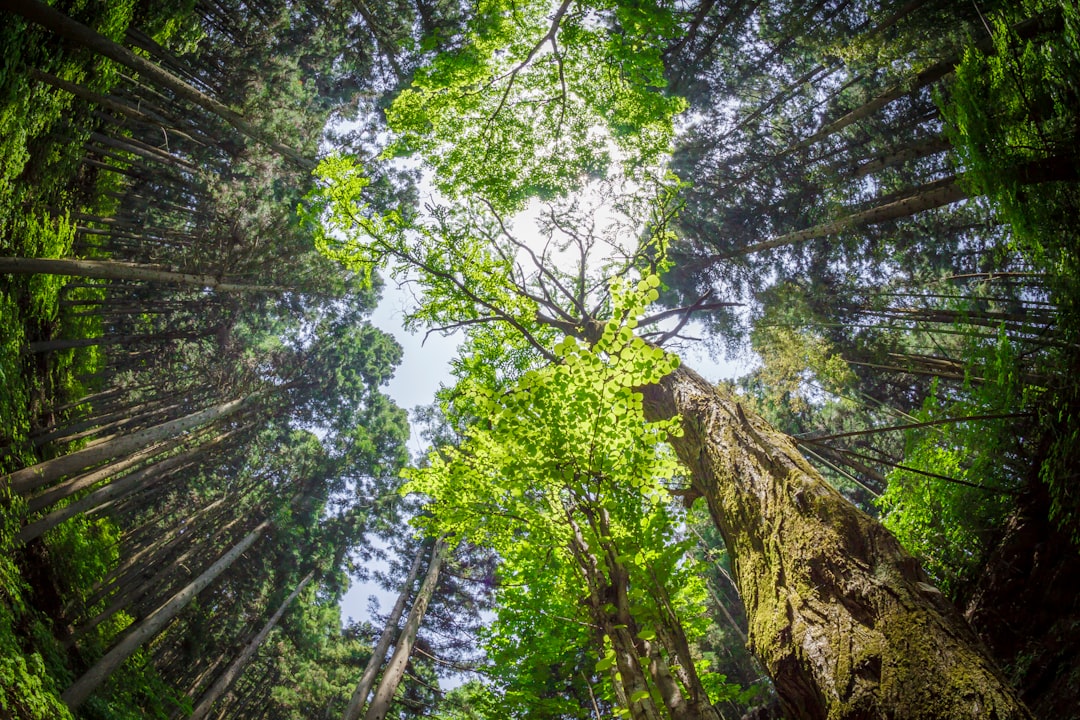
In today’s fast-paced and technology-driven world, it is becoming increasingly important to reconnect with nature for the sake of our mental health. The constant exposure to screens, the pressures of work and social life, and the overall stress of modern living can take a toll on our well-being. However, research has shown that spending time in nature can have a profound impact on our mental health and overall well-being.
According to the World Health Organization, mental health issues such as depression and anxiety are on the rise globally. In fact, it is estimated that over 300 million people worldwide suffer from depression, making it the leading cause of disability worldwide. Additionally, anxiety disorders affect around 264 million people globally. These statistics highlight the urgent need for effective strategies to improve mental health and well-being.
What is Nature Therapy and How Does it Work?
Nature therapy, also known as ecotherapy or green therapy, is a form of treatment that involves spending time in nature to improve mental and physical well-being. It is based on the belief that humans have an innate connection with nature and that being in natural environments can have a positive impact on our mental health.
Nature therapy works by engaging our senses and allowing us to connect with the natural world. It encourages us to slow down, be present in the moment, and appreciate the beauty and tranquility of nature. This can help reduce stress, anxiety, and depression by promoting relaxation, improving mood, and increasing feelings of happiness and well-being.
There are different types of nature therapy that can be practiced depending on individual preferences and needs. Some examples include forest bathing, gardening, hiking, camping, and wildlife observation. Each type of nature therapy offers unique benefits and experiences, but they all share the common goal of reconnecting individuals with nature for improved mental health.
The Benefits of Spending Time in Nature for Physical and Mental Well-being
Spending time in nature has numerous benefits for both our physical and mental well-being. On a physical level, nature therapy can help improve cardiovascular health, lower blood pressure, boost the immune system, and increase overall fitness levels. Engaging in activities such as hiking, gardening, or even just taking a walk in the park can provide the exercise our bodies need to stay healthy.
From a mental health perspective, nature therapy has been shown to reduce stress levels, alleviate symptoms of anxiety and depression, improve mood and self-esteem, and increase feelings of happiness and well-being. Being in nature allows us to disconnect from the pressures of daily life and find solace in the beauty and tranquility of the natural world.
Nature therapy also provides an opportunity for mindfulness and self-reflection. When we are surrounded by nature, we are more likely to be present in the moment and fully engage with our surroundings. This can help quiet the mind, reduce racing thoughts, and promote a sense of calm and inner peace.
How Nature Therapy Can Help with Stress, Anxiety, and Depression
One of the key benefits of nature therapy is its ability to reduce stress levels. Spending time in nature has been shown to lower cortisol levels, which is the hormone responsible for stress. The sights, sounds, and smells of nature can have a calming effect on our nervous system, helping us relax and unwind.
Nature therapy can also alleviate symptoms of anxiety by providing a sense of grounding and stability. Being in nature allows us to connect with something larger than ourselves and reminds us that we are part of a greater ecosystem. This can help put our worries into perspective and reduce feelings of anxiety.
For those struggling with depression, nature therapy can be a powerful tool for improving mood and overall well-being. The beauty and tranquility of natural environments can have an uplifting effect on our spirits and provide a much-needed respite from the challenges of daily life. Additionally, being in nature exposes us to natural light, which can help regulate our circadian rhythm and improve sleep patterns, both of which are important factors in managing depression.
The Role of Nature in Boosting Creativity and Productivity
In addition to its mental health benefits, spending time in nature can also have a positive impact on our creativity and productivity. Research has shown that being in natural environments can enhance cognitive function, improve focus and attention, and boost problem-solving skills.
Nature has a way of stimulating our senses and inspiring our imagination. The sights, sounds, and smells of the natural world can awaken our creativity and help us think outside the box. Whether it’s a walk in the park or a hike in the mountains, being in nature can provide the inspiration we need to come up with new ideas and solutions.
Furthermore, spending time in nature can increase productivity by reducing mental fatigue and improving concentration. The calming effect of nature allows our minds to rest and recharge, making us more alert and focused when we return to our tasks. This can lead to increased efficiency and better overall work performance.
How to Incorporate Nature Therapy into Your Daily Life
Incorporating nature therapy into your daily life doesn’t have to be complicated or time-consuming. There are simple ways to connect with nature even if you live in a busy city or have a demanding schedule. Here are some tips for making nature therapy a part of your daily routine:
1. Take a walk in nature: Whether it’s a nearby park, a local trail, or even just a tree-lined street, make it a habit to take a walk in nature every day. This can be a great way to clear your mind, get some exercise, and reconnect with the natural world.
2. Create a green space: If you don’t have access to outdoor spaces, consider creating a green space indoors. Fill your home or office with plants, flowers, and natural elements to bring a touch of nature into your environment. This can help improve air quality, reduce stress, and create a calming atmosphere.
3. Practice mindfulness in nature: When you’re in nature, take the time to be fully present and engage with your surroundings. Notice the colors, textures, and sounds of the natural world. Take deep breaths and allow yourself to fully experience the beauty and tranquility of nature.
4. Disconnect from technology: In order to fully connect with nature, it’s important to disconnect from technology. Put away your phone, turn off your notifications, and allow yourself to be fully present in the moment. This can help reduce distractions and allow you to fully immerse yourself in the healing power of nature.
Exploring Different Types of Nature Therapy: Forest Bathing, Gardening, and More
There are various types of nature therapy that offer unique benefits and experiences. Here are some examples:
1. Forest Bathing: Forest bathing, also known as Shinrin-yoku, is a Japanese practice that involves immersing oneself in the forest atmosphere. It is a slow and mindful walk through the forest, taking in the sights, sounds, and smells of nature. Forest bathing has been shown to reduce stress levels, lower blood pressure, boost the immune system, and improve overall well-being.
2. Gardening: Gardening is a popular form of nature therapy that allows individuals to connect with nature through nurturing plants and flowers. It provides a sense of purpose and accomplishment, as well as an opportunity for physical activity and relaxation. Gardening has been shown to reduce stress levels, improve mood, increase self-esteem, and promote overall well-being.
3. Wildlife Observation: Observing wildlife in its natural habitat can be a powerful form of nature therapy. Whether it’s birdwatching, whale watching, or simply observing animals in a local park, wildlife observation allows us to connect with the natural world and appreciate the beauty and diversity of life. It can provide a sense of wonder and awe, as well as a deeper understanding of our place in the ecosystem.
The Science Behind Nature Therapy: Research and Evidence
The benefits of nature therapy are not just anecdotal; there is a growing body of scientific research that supports its effectiveness. Numerous studies have shown that spending time in nature can have a positive impact on our mental health and overall well-being.
For example, a study published in the Journal of Environmental Psychology found that spending just 20 minutes in nature can significantly reduce stress levels. Another study published in the International Journal of Environmental Research and Public Health found that exposure to natural environments can improve mood, reduce symptoms of anxiety and depression, and increase feelings of happiness and well-being.
Furthermore, research has shown that nature therapy can have physiological effects on our bodies. A study published in the Journal of Physiological Anthropology found that forest bathing can lower blood pressure, reduce heart rate, and improve immune function. Another study published in the International Journal of Environmental Health Research found that gardening can lower cortisol levels and improve sleep quality.
Nature Therapy for Children: Encouraging Outdoor Play and Exploration
Nature therapy is not just beneficial for adults; it is also important for children’s mental health and overall development. In today’s digital age, children are spending less time outdoors and more time in front of screens. This lack of exposure to nature can have a negative impact on their well-being.
Spending time in nature allows children to engage their senses, develop their motor skills, and foster their creativity. It provides them with opportunities for unstructured play, exploration, and discovery. Outdoor play has been shown to improve cognitive function, enhance problem-solving skills, reduce symptoms of ADHD, and promote overall physical and mental health.
Parents can encourage their children to spend time in nature by providing opportunities for outdoor play and exploration. This can include activities such as hiking, camping, gardening, or simply playing in the backyard. It is important to create a balance between screen time and outdoor time, and to prioritize nature as an essential part of children’s daily lives.
Embracing the Healing Power of Nature for a Better Life
In conclusion, reconnecting with nature is essential for our mental health and overall well-being. The fast-paced and technology-driven world we live in can take a toll on our mental health, but spending time in nature can provide a much-needed respite from the pressures of daily life.
Nature therapy offers numerous benefits for both our physical and mental well-being. It can reduce stress levels, alleviate symptoms of anxiety and depression, boost creativity and productivity, and improve overall happiness and well-being. By incorporating nature therapy into our daily lives, we can experience the healing power of nature and live a more balanced and fulfilling life.
So, whether it’s taking a walk in the park, practicing forest bathing, or simply spending time in your backyard garden, make it a priority to reconnect with nature on a regular basis. Your mental health will thank you.
If you’re interested in the healing power of nature and its potential benefits for recovering addicts, you might find this article on “Nature Therapy: A Path to Recovery” intriguing. It explores how immersing oneself in nature can have a positive impact on mental health and addiction recovery. From reducing stress and anxiety to promoting mindfulness and self-reflection, nature therapy offers a holistic approach to healing. To learn more about this topic, check out the article here.


