
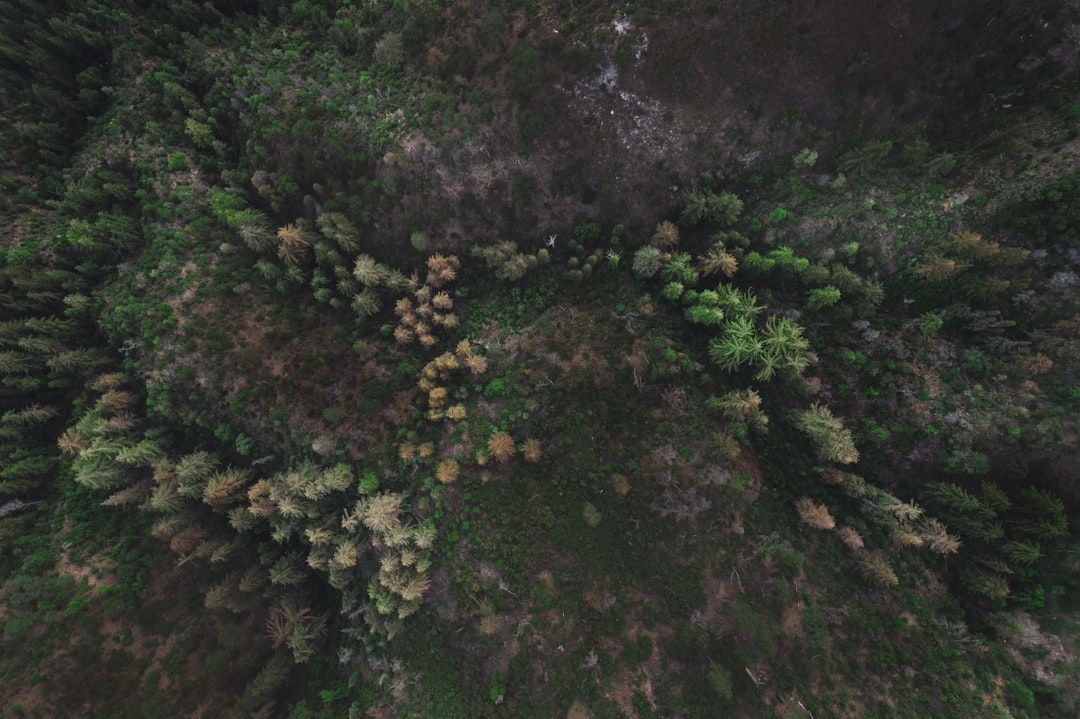
In today’s fast-paced and technology-driven world, it’s easy to feel disconnected from nature. However, research has shown that spending time in nature can have a profound impact on our physical and mental well-being. This concept, known as outdoor therapy, harnesses the healing power of nature to improve our overall health and quality of life.
The Science Behind Outdoor Therapy: How It Works
Numerous studies have been conducted to explore the effectiveness of outdoor therapy, and the results are promising. One study published in the Journal of Environmental Psychology found that spending time in nature can significantly reduce stress levels and improve mood. Another study published in the International Journal of Environmental Research and Public Health found that exposure to natural environments can lead to a decrease in blood pressure and heart rate, indicating a reduction in stress.
So how does being in nature affect the brain and body? One theory is that exposure to natural environments triggers the release of endorphins, which are chemicals in the brain that promote feelings of happiness and well-being. Additionally, being in nature has been shown to reduce levels of cortisol, a hormone associated with stress. This combination of increased endorphins and decreased cortisol can have a powerful impact on our mental and physical health.
The Benefits of Being Outdoors: Physical Health
Spending time in nature has numerous physical health benefits. One major benefit is improved cardiovascular health. Research has shown that activities such as hiking, walking, and gardening can help lower blood pressure, reduce the risk of heart disease, and improve overall cardiovascular fitness.
Additionally, being outdoors exposes us to natural sunlight, which is a major source of vitamin D. Vitamin D plays a crucial role in maintaining healthy bones and teeth, boosting the immune system, and regulating mood. Studies have also shown that exposure to natural sunlight can help improve sleep quality.
Furthermore, spending time in nature can reduce inflammation in the body. Chronic inflammation has been linked to a variety of health conditions, including heart disease, diabetes, and autoimmune disorders. By reducing inflammation, spending time in nature can help prevent and manage these conditions.
The Benefits of Being Outdoors: Mental Health
In addition to the physical health benefits, spending time in nature also has a profound impact on our mental well-being. One major benefit is reduced stress. Research has shown that spending time in nature can lower levels of cortisol, a hormone associated with stress. This can lead to a decrease in anxiety and an overall improvement in mood.
Nature has also been shown to have a positive impact on conditions such as anxiety and depression. One study published in the Journal of Affective Disorders found that spending time in nature can reduce symptoms of anxiety and improve overall well-being. Another study published in the Journal of Environmental Psychology found that exposure to natural environments can lead to a decrease in symptoms of depression.
Furthermore, being in nature can improve cognitive function and attention span. Research has shown that spending time outdoors can enhance creativity, problem-solving skills, and memory. This is particularly beneficial for children and adolescents, as it can improve academic performance and overall cognitive development.
Nature as a Stress Reliever: The Impact on Anxiety and Depression
The connection between nature and reduced stress levels is well-documented. Numerous studies have shown that spending time in nature can significantly reduce symptoms of anxiety and improve overall well-being.
One study published in the Journal of Environmental Psychology found that participants who spent time in a natural environment reported lower levels of anxiety compared to those who spent time in an urban environment. Another study published in the International Journal of Environmental Research and Public Health found that exposure to natural environments can lead to a decrease in symptoms of depression.
The calming effect of nature on the mind and body is thought to be due to several factors. First, being in nature promotes relaxation and a sense of tranquility. The sights, sounds, and smells of nature can help us feel more grounded and present in the moment. Additionally, spending time in nature encourages physical activity, which has been shown to reduce symptoms of anxiety and depression.
The Role of Nature in Addiction Recovery
Nature can also play a crucial role in addiction recovery. Spending time in nature can help individuals in recovery manage cravings and improve their overall well-being.
One study published in the Journal of Substance Abuse Treatment found that participants who engaged in outdoor activities as part of their recovery program reported reduced cravings and improved mood. Another study published in the International Journal of Environmental Research and Public Health found that spending time in nature can help individuals in recovery develop a sense of purpose and meaning.
Nature provides a safe and supportive environment for individuals in recovery to heal and grow. Being outdoors can help individuals develop a sense of connection to something greater than themselves, which is often lacking during the addiction recovery process. Additionally, spending time in nature encourages physical activity, which has been shown to reduce cravings and improve overall well-being.
The Connection Between Nature and Better Sleep
Getting a good night’s sleep is essential for our overall health and well-being. Unfortunately, many people struggle with sleep issues such as insomnia or poor sleep quality. However, spending time in nature can help improve sleep quality and promote better sleep.
Research has shown that exposure to natural sunlight can help regulate our internal body clock, also known as the circadian rhythm. This is because natural sunlight contains blue light, which helps regulate the production of melatonin, a hormone that plays a crucial role in sleep-wake cycles.
Additionally, spending time outdoors exposes us to fresh air and natural sounds, which can create a calming environment conducive to sleep. The sights and sounds of nature can help us relax and unwind, making it easier to fall asleep and stay asleep throughout the night.
The Benefits of Outdoor Therapy for Children and Adolescents
Children and adolescents can also benefit greatly from spending time in nature. Outdoor therapy has been shown to improve cognitive function, reduce symptoms of ADHD, and promote emotional regulation.
One study published in the Journal of Attention Disorders found that spending time in nature can improve attention span and reduce symptoms of ADHD in children. Another study published in the Journal of Environmental Psychology found that exposure to natural environments can lead to improved cognitive function and academic performance in children.
Furthermore, nature can be used as a tool for emotional regulation. The sights, sounds, and smells of nature can help children and adolescents feel more calm and centered. Additionally, spending time outdoors encourages physical activity, which has been shown to improve mood and reduce symptoms of anxiety and depression.
Incorporating Nature into Your Self-Care Routine: Tips and Strategies
Incorporating nature into your self-care routine is a simple and effective way to harness the healing power of nature. Here are some tips and strategies for incorporating nature into your daily life:
1. Take a daily walk in nature: Set aside time each day to go for a walk in a nearby park or nature reserve. This can help you reconnect with nature and provide a much-needed break from the stresses of daily life.
2. Practice mindfulness in nature: Find a quiet spot outdoors where you can sit or lie down comfortably. Close your eyes and focus on your breath, allowing yourself to fully immerse in the sights, sounds, and smells of nature.
3. Start a garden: Gardening is a great way to connect with nature and reap the physical and mental health benefits. Whether you have a large backyard or just a small balcony, you can start a garden with potted plants or herbs.
4. Plan outdoor activities with friends and family: Instead of meeting up at a coffee shop or restaurant, plan outdoor activities with your loved ones. This could be a picnic in the park, a hike in the mountains, or a day at the beach.
5. Disconnect from technology: Make a conscious effort to disconnect from technology and spend more time outdoors. Set aside designated times each day where you turn off your phone and engage in outdoor activities.
Embracing the Healing Power of Nature
In conclusion, outdoor therapy harnesses the healing power of nature to improve our physical and mental well-being. Spending time in nature has been shown to reduce stress, improve mood, and promote overall health. Whether it’s taking a daily walk in nature, practicing mindfulness outdoors, or starting a garden, there are numerous ways to incorporate nature into your self-care routine. By embracing the healing power of nature, we can improve our quality of life and find greater peace and balance in our busy lives.
If you’re interested in learning more about the benefits of outdoor therapy, you might find this article on “Torquent Per Conubia Nostra” intriguing. It explores how nature can play a vital role in the recovery process for individuals struggling with addiction. From hiking and camping to gardening and animal-assisted therapy, the article highlights various outdoor activities that can promote healing and well-being. Check it out here for a deeper dive into the therapeutic power of nature.


