
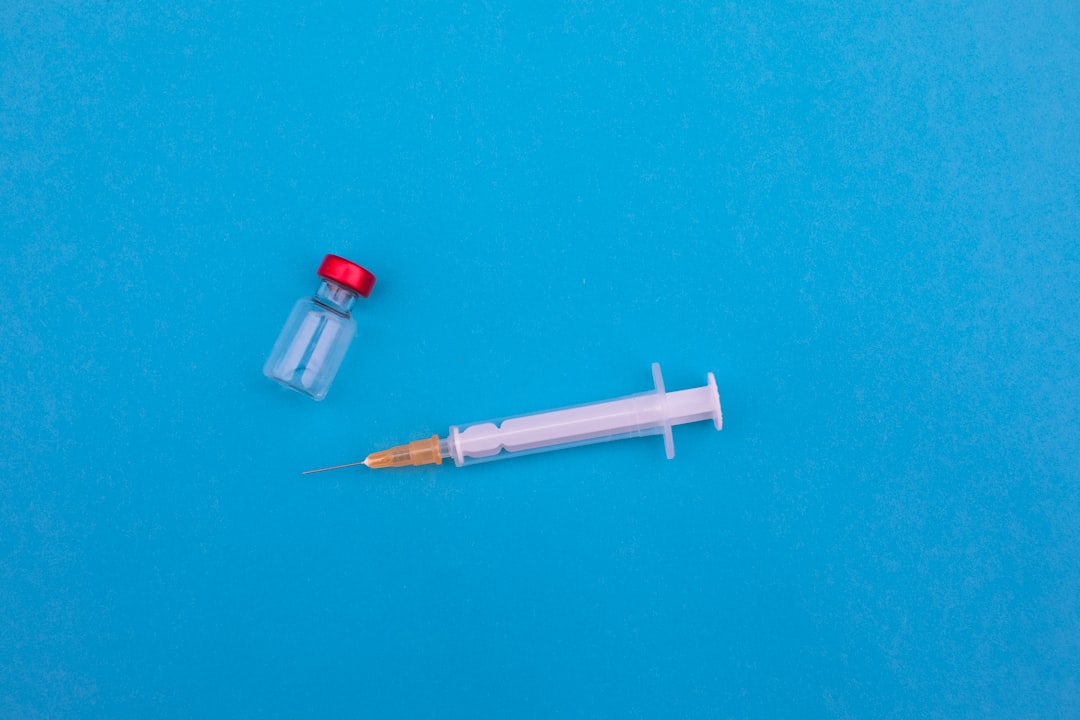
Harm reduction is a public health approach that aims to minimize the negative consequences associated with risky behaviors, rather than focusing solely on eliminating the behaviors themselves. This approach recognizes that certain behaviors, such as substance use, sexual activity, and mental health struggles, may not be easily eradicated, and instead seeks to reduce the potential harm that can result from these behaviors. Harm reduction strategies are based on the principles of compassion, pragmatism, and respect for individual autonomy.
By providing non-judgmental support and resources, harm reduction programs aim to empower individuals to make safer choices and reduce the negative impact of their behaviors on themselves and their communities. Harm reduction encompasses a wide range of strategies, including needle exchange programs, safe injection sites, naloxone distribution for opioid overdose prevention, and education on safer sex practices. These strategies are evidence-based and have been shown to effectively reduce the spread of infectious diseases, prevent overdose deaths, and promote overall well-being.
Harm reduction also extends beyond substance use and sexual health to include mental health support, such as counseling services and peer support groups. By addressing the complex and multifaceted needs of individuals, harm reduction programs strive to create a safer and more inclusive environment for all members of the community.
The Importance of Harm Reduction on College Campuses
The Challenges of College Life
The academic and social demands of college life can contribute to stress, anxiety, and mental health struggles. This can lead to a range of negative outcomes, including substance use disorders, sexual health risks, and mental health concerns.
The Role of Harm Reduction Programs
Harm reduction programs play a crucial role in promoting the health and safety of college students. These programs provide education on safer substance use practices, access to harm reduction supplies such as condoms and naloxone, and support for mental health concerns. By implementing these programs, colleges can create a culture of care and support that encourages students to make informed choices about their health and well-being.
Reducing Stigma and Promoting a Healthy Student Community
Harm reduction initiatives can help reduce the stigma associated with seeking help for substance use or mental health issues, making it easier for students to access the support they need. Overall, the implementation of harm reduction programs on college campuses is essential for promoting a healthy and thriving student community.
Implementing Harm Reduction Programs
Implementing harm reduction programs on college campuses requires a comprehensive approach that addresses the diverse needs of students. One key aspect of implementation is education and awareness-raising efforts. Colleges can provide workshops, seminars, and informational materials that educate students about harm reduction principles and practices.
These educational initiatives can help dispel myths and misconceptions about substance use, sexual health, and mental well-being, while empowering students to make informed decisions about their health. In addition to education, colleges can establish harm reduction services that provide access to resources such as condoms, clean needles, naloxone kits, and mental health support. These services can be integrated into existing campus health centers or student support programs, making them easily accessible to students.
Furthermore, colleges can collaborate with community organizations and public health agencies to expand the reach of their harm reduction efforts and ensure that students have access to a wide range of support services. Another important aspect of implementing harm reduction programs is creating a supportive and non-judgmental environment for students. Colleges can train staff and faculty members to approach student concerns with empathy and understanding, while also providing opportunities for peer support and mentorship.
By fostering a culture of care and support, colleges can create an environment where students feel comfortable seeking help and accessing the resources they need to stay safe and healthy.
Overcoming Challenges in Harm Reduction
While implementing harm reduction programs on college campuses is crucial for promoting student well-being, there are several challenges that institutions may face in this process. One common challenge is the stigma surrounding substance use and mental health issues. Many students may feel hesitant to seek help or access harm reduction services due to fear of judgment or social repercussions.
Overcoming this stigma requires ongoing education and awareness-raising efforts that promote a culture of acceptance and support for all students. Another challenge in implementing harm reduction programs is securing funding and resources. Colleges may face budget constraints that limit their ability to provide comprehensive harm reduction services.
To address this challenge, colleges can seek partnerships with local public health agencies, community organizations, and philanthropic foundations to secure funding for harm reduction initiatives. Additionally, colleges can explore creative solutions such as student-led initiatives or volunteer programs to expand the reach of their harm reduction efforts. Furthermore, colleges may encounter resistance from certain stakeholders who are skeptical of harm reduction approaches.
Overcoming this resistance requires engaging in open dialogue and providing evidence-based information about the effectiveness of harm reduction strategies. By fostering collaboration and communication among all members of the college community, colleges can work towards overcoming these challenges and creating a safer and more supportive environment for all students.
The Role of Education in Harm Reduction
Education plays a central role in harm reduction efforts on college campuses by empowering students with knowledge and skills to make safer choices about their health. Educational initiatives can cover a wide range of topics related to harm reduction, including substance use, sexual health, mental well-being, and overdose prevention. By providing accurate information and dispelling myths about these topics, colleges can help students make informed decisions that reduce their risk of harm.
In addition to traditional classroom-based education, colleges can utilize innovative approaches such as peer education programs and interactive workshops to engage students in conversations about harm reduction. Peer education programs empower students to become advocates for health and safety within their own communities, while also providing valuable opportunities for leadership development. Interactive workshops and events can create spaces for open dialogue about sensitive topics, while also promoting a culture of inclusivity and respect.
Moreover, education about harm reduction should be ongoing and responsive to the evolving needs of students. Colleges can adapt their educational initiatives based on feedback from students and emerging trends in substance use and mental health. By staying attuned to the needs of their student population, colleges can ensure that their educational efforts remain relevant and impactful in promoting student well-being.
Evaluating the Effectiveness of Harm Reduction Strategies
Collecting Data on Service Utilization
Evaluating the effectiveness of harm reduction strategies is crucial for ensuring that colleges meet the needs of their student population and positively impact student well-being. A key aspect of evaluation is collecting data on the utilization of harm reduction services, such as the distribution of condoms, naloxone kits, or counseling sessions. This data provides insights into the reach and accessibility of these services among students.
Assessing Program Impact
Colleges can assess the impact of their harm reduction programs by tracking key indicators, including rates of substance use, incidents of overdose, STI transmission rates, and student satisfaction with support services. By analyzing these indicators over time, colleges can gain a better understanding of the effectiveness of their harm reduction efforts and identify areas for improvement.
Incorporating Student Voices
In addition to quantitative data, colleges can gather qualitative feedback from students through surveys, focus groups, or individual interviews. This feedback provides valuable insights into the experiences and perspectives of students regarding harm reduction services and educational initiatives. By incorporating student voices into the evaluation process, colleges can ensure that their harm reduction efforts are responsive to the needs and preferences of their student community.
The Future of Harm Reduction on College Campuses
The future of harm reduction on college campuses holds great potential for creating safer and more supportive environments for students. As colleges continue to prioritize student well-being, there is an opportunity to expand harm reduction efforts by integrating them into broader public health initiatives. By collaborating with local public health agencies and community organizations, colleges can leverage resources and expertise to enhance their harm reduction programs.
Furthermore, the future of harm reduction on college campuses will likely involve greater integration of technology and digital platforms to reach students where they are. Colleges can explore innovative approaches such as telehealth services for mental health support, online educational resources, and mobile applications for accessing harm reduction supplies. By embracing technology, colleges can expand the reach of their harm reduction efforts and provide more accessible support for students.
Additionally, the future of harm reduction on college campuses will involve ongoing advocacy for policy changes at local, state, and national levels. Colleges can play a crucial role in advocating for policies that support harm reduction approaches, such as naloxone access laws or campus-wide substance use policies that prioritize student safety over punitive measures. By engaging in advocacy efforts, colleges can contribute to creating a broader culture of support for harm reduction in society at large.
In conclusion, harm reduction plays a vital role in promoting the health and safety of college students by providing non-judgmental support and resources for substance use, sexual health, and mental well-being. By implementing comprehensive harm reduction programs that prioritize education, accessibility, and inclusivity, colleges can create environments where students feel empowered to make informed choices about their health. Overcoming challenges in implementing harm reduction programs requires ongoing commitment from colleges to address stigma, secure resources, and foster collaboration among all members of the college community.
The future of harm reduction on college campuses holds great potential for expanding efforts through technology integration, advocacy for policy changes, and collaboration with public health partners. Ultimately, by prioritizing harm reduction on college campuses, institutions can create environments where all students have the opportunity to thrive and succeed.


